
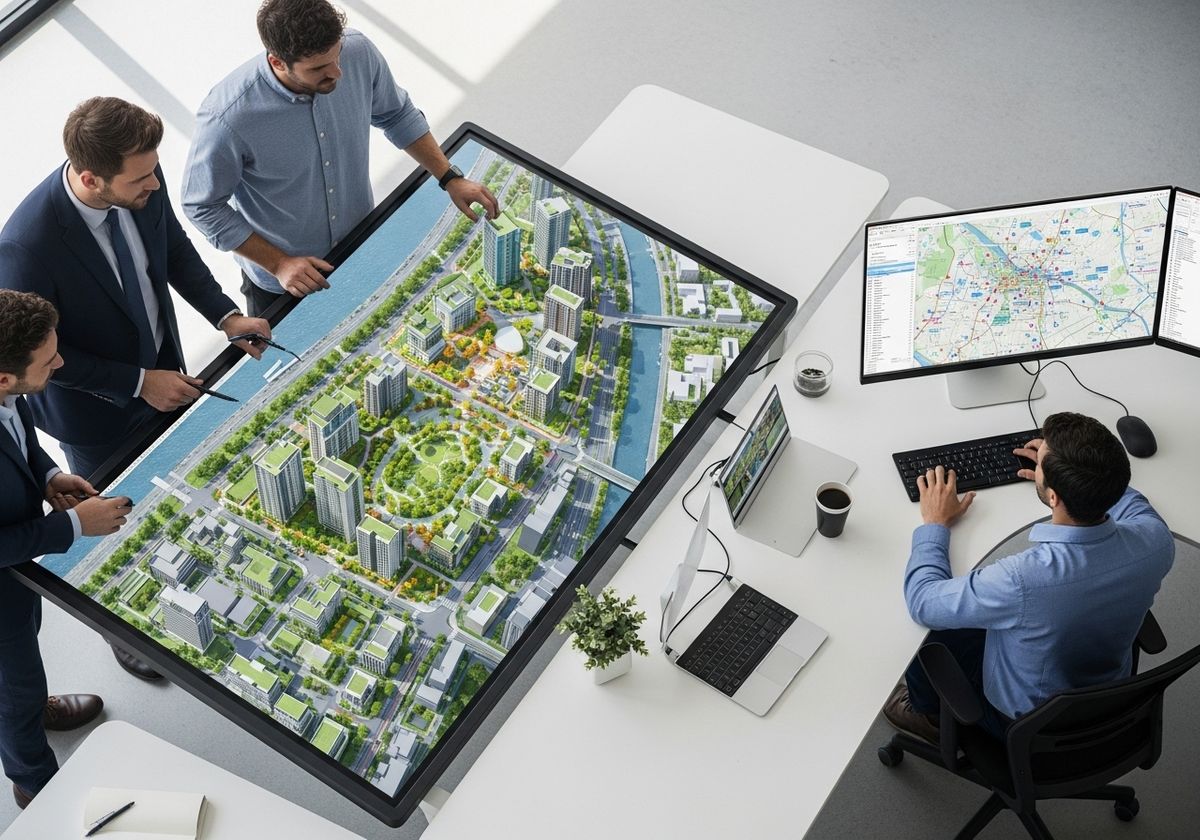
In today's visually-driven world, the way we present information is just as important as the information itself. When it comes to showcasing geographic data, traditional 2D mapping has long been the standard. However, advancements in technology have opened the door to 3D rendering, offering a more immersive and engaging way to visualize spaces and places. But when is it the right time to invest in rendering over traditional 2D mapping? Let's explore the key considerations.

Enhanced Visual Communication
One of the primary advantages of 3D rendering is its ability to provide a more realistic and intuitive representation of geographic data. Unlike flat 2D maps, renderings offer depth, perspective, and the ability to visualize terrain, buildings, and other features in a way that closely mimics real-world experiences. This can be particularly valuable for:
gis urban planning: Visualize proposed developments and infrastructure projects in a realistic context to better understand their impact on the surrounding environment.
Marketing and Promotion: Create visually stunning presentations and marketing materials that capture the attention of potential investors, residents, or tourists.
Public Engagement: Communicate complex geographic information in a clear and accessible way to facilitate informed decision-making.
Applications of 3D Map Rendering
3D rendering has a wide range of applications across various industries, including:
Real Estate: Showcase property developments with realistic visualizations of buildings, landscaping, and surrounding amenities.
Tourism: Create interactive map for website experiences that allow visitors to explore destinations in a virtual environment.
Infrastructure Planning: Evaluate the impact of new roads, bridges, and other infrastructure projects on the surrounding landscape.
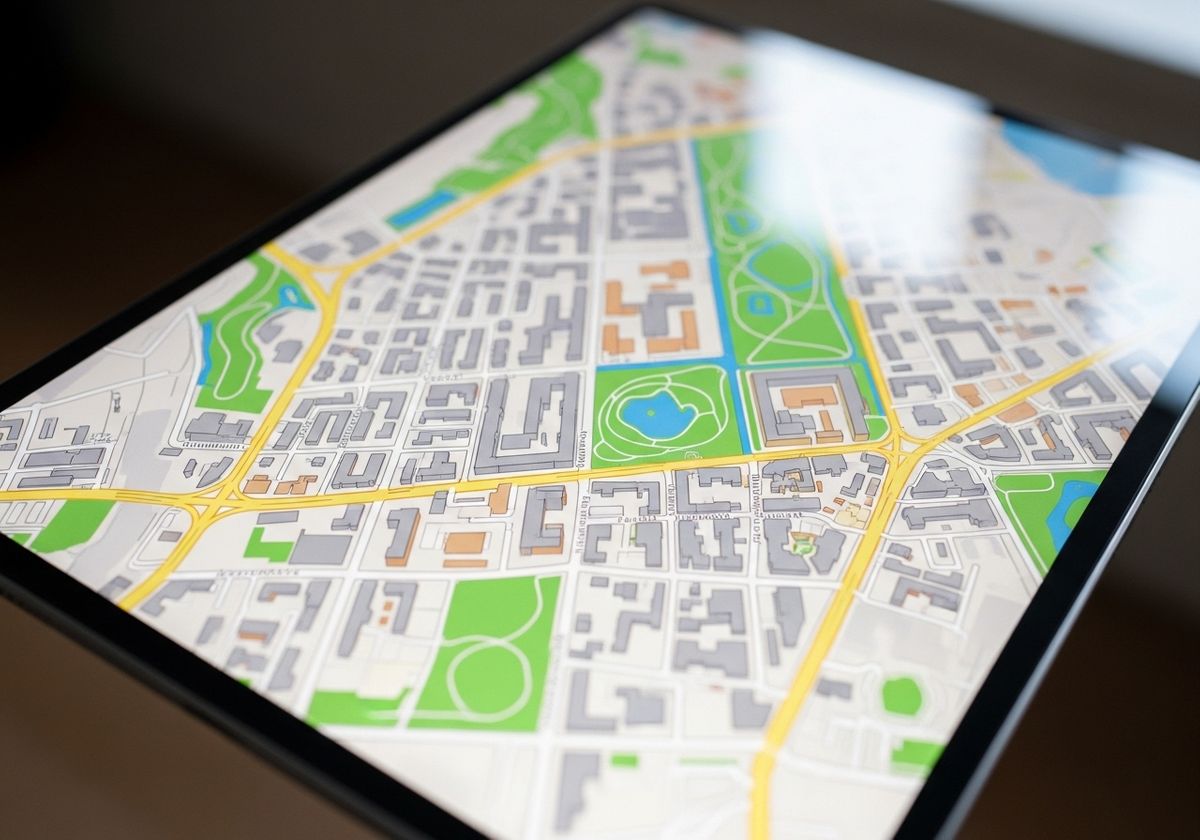
Advantages of Traditional 2D Mapping
Despite the advantages of 3D rendering, traditional 2D mapping still has its place. 2D maps are:
Cost-Effective: Creating 2D maps is generally less expensive than producing 3D renderings.
Data-Focused: 2D maps excel at displaying large amounts of data in a clear and organized format.
Quick to Produce: 2D maps can be generated more quickly than 3D renderings, making them suitable for projects with tight deadlines.
Making the Right Choice
The decision of whether to invest in rendering over traditional 2D mapping depends on the specific goals and requirements of your project. If you need to:
Communicate complex spatial relationships in a clear and intuitive way
Create visually stunning presentations and marketing materials
Engage stakeholders with interactive and immersive experiences
Then 3D rendering may be the right choice. However, if your project requires:
Displaying large amounts of data in a concise and organized format
Meeting tight deadlines or budget constraints
Then traditional 2D mapping may be more appropriate.
Understanding the strengths and limitations of both 3D rendering and traditional 2D mapping is essential for making informed decisions. At Flyer View Group, LLC, we understand the power of visual storytelling. As a comprehensive, integrated marketing firm, with the value proposition of Telling Your Story Through Data, Maps, Motion & Graphics, we can help you determine the best approach for your specific needs. Whether you need stunning 3D visualizations or detailed geographic information services (GIS) mapping, we have the expertise to bring your vision to life. Contact us today to explore how we can help you elevate your message and achieve your goals. We are committed to bringing best-in-class service, making us the gold standard and ensuring that each project runs smoothly and on time. Explore our website or contact us to learn more about our GIS mapping system and how we can help you tell your story.